Product News
-
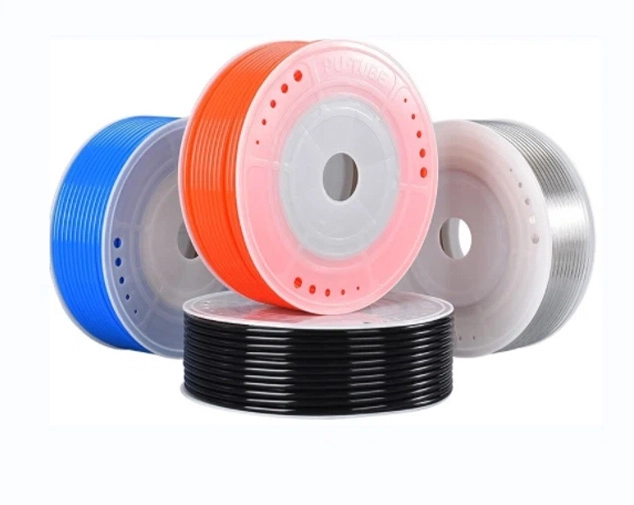
 13 MarBy AdminWhy Choose Ester-Based Polyurethane Tubing for High-Performance Pneumatic SystemsPicture this: You're running a busy assembly line in a car manufacturing plant. Robots zip back and forth, air tools hum steadily, and everything hinges on those thin lines carrying compressed air without a hitch. One kink or tear, and the whole operation grinds to a halt. That's where ester-based PU tubing steps in – tough, bendy, and built to last. If you're tweaking pneumatic setups for better efficiency, this material could be your go-to. Let's dive into why it stands out, especially in high-stakes automation. Understanding Ester-Based Polyurethane Tubing Ester-based PU tubing comes from polyester polyols mixed with…
-
12 MarBy AdminAnti-Spark PU Tubing Near Welding Stations: What to VerifyAISILI anti-spark pneumatic tubing uses in-house-developed flame-retardant polyurethane. Review it against the actual process before ordering.Map the exposureShow where sparks and hot particles originate, the distance to the tube, nearby hot surfaces and existing guards. Identify whether exposure changes through the machine cycle.Review routing and protectionAsk the equipment designer to review routing, shielding and clearance. A flame-retardant material description does not establish suitability for direct flame, hot surfaces or every welding process.Confirm the complete air lineProvide OD and ID, the end connections, movement, pressure and temperature. Review the selected size and confirm the project’s inspection or documentation requirements before purchase.Review…
-
06 MarBy AdminCompressed-Air Energy Loss: What to Check Before Changing PU TubingChanging tube material alone does not establish an energy saving. Start by separating leaks from pressure loss during operation, and compare measurements under the same conditions.Record the existing conditionsNote the inlet pressure, pressure near the equipment during operation, tube OD and ID, route length, fittings and equipment duty cycle. State the airflow measurement basis when comparing results.Locate the source of lossCheck connections and the tube for leaks using your facility’s approved inspection process. If pressure falls under load, review tube size, restrictions and the other components before changing the tubing.Verify any improvementCompare the same operating cycle, load and pressure settings…
-
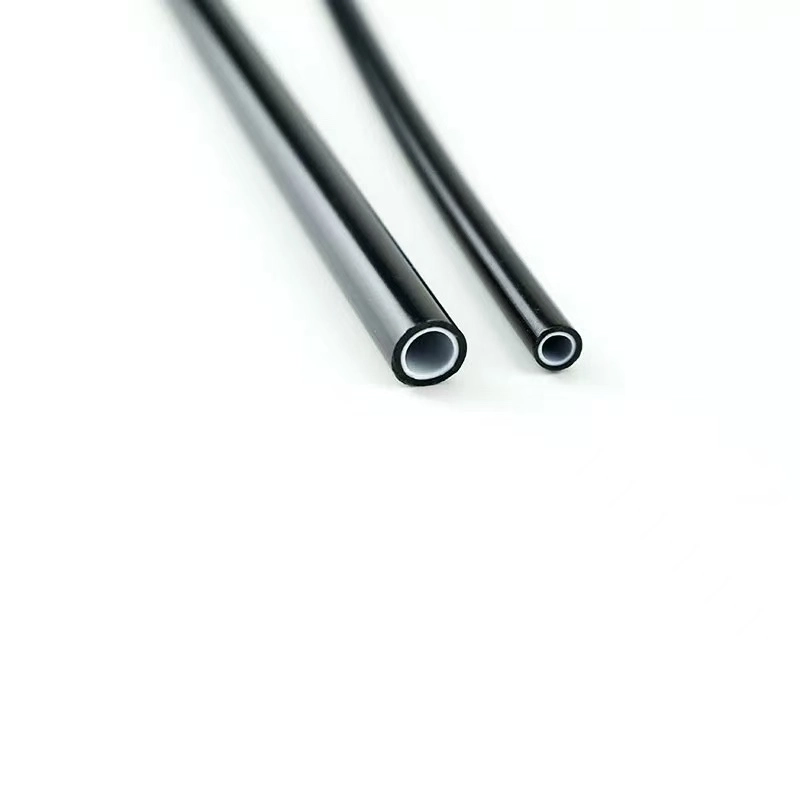
05 MarBy AdminHow to Choose the Right PU Pneumatic Tube Size and Pressure Rating for Your ApplicationChoosing PU pneumatic tubing starts with the tube outside diameter, inside diameter and the operating conditions of the complete air line. A tube that fits a connector still needs to be checked against pressure, temperature, routing and airflow requirements.Use this checklist to prepare a specification, then review the selected product in the AISILI polyurethane pneumatic tubing range.Read Tube Size as OD × IDOD means outside diameter; ID means inside diameter. State both measurements and the unit when requesting a replacement or quotation. An outside-diameter description alone does not identify the complete tube size.For the AISILI 0850 size, specify 8 mm…
-
26 FebBy AdminThe Ultimate Guide to Bend Radius, Flexibility & Longevity of PU Pneumatic TubingIn automated setups where space gets cramped and pieces keep shifting around, choosing the proper pneumatic tubing can seriously affect how well everything runs. Polyurethane pneumatic tubing—commonly shortened to PU tubing—really stands out. It deals with sharp turns, nonstop flexing, and long stretches of use without kinking up or splitting early. Folks working on robotics, drag chains, pick-and-place machines, or conveyor lines often pick PU because it strikes a nice balance between being tough and staying bendy. This guide takes a close look at the main things that matter: bend radius, flexibility, and how long the stuff actually lasts. We’ll…
-
19 FebBy AdminInspecting Anti-Spark PU Tubing During MaintenanceAn anti-spark air line still needs inspection. For AISILI tubing made with in-house-developed flame-retardant polyurethane, use the selected product specification and the equipment maintenance procedure when reviewing a line.Check the route and visible conditionFollow your site’s isolation procedure before handling or replacing a line. Check for rubbing, kinks, heat damage or changes in routing, and note any damage around fittings or guards.Record why the line is being replacedPhotograph the damaged area and identify the process, nearby hot surfaces, spark exposure and repeated motion. Review the cause before installing a replacement so the same condition is not simply repeated.Specify the replacementRecord…