


Почему многокомпонентные пневматические трубки — это будущее промышленной автоматизации
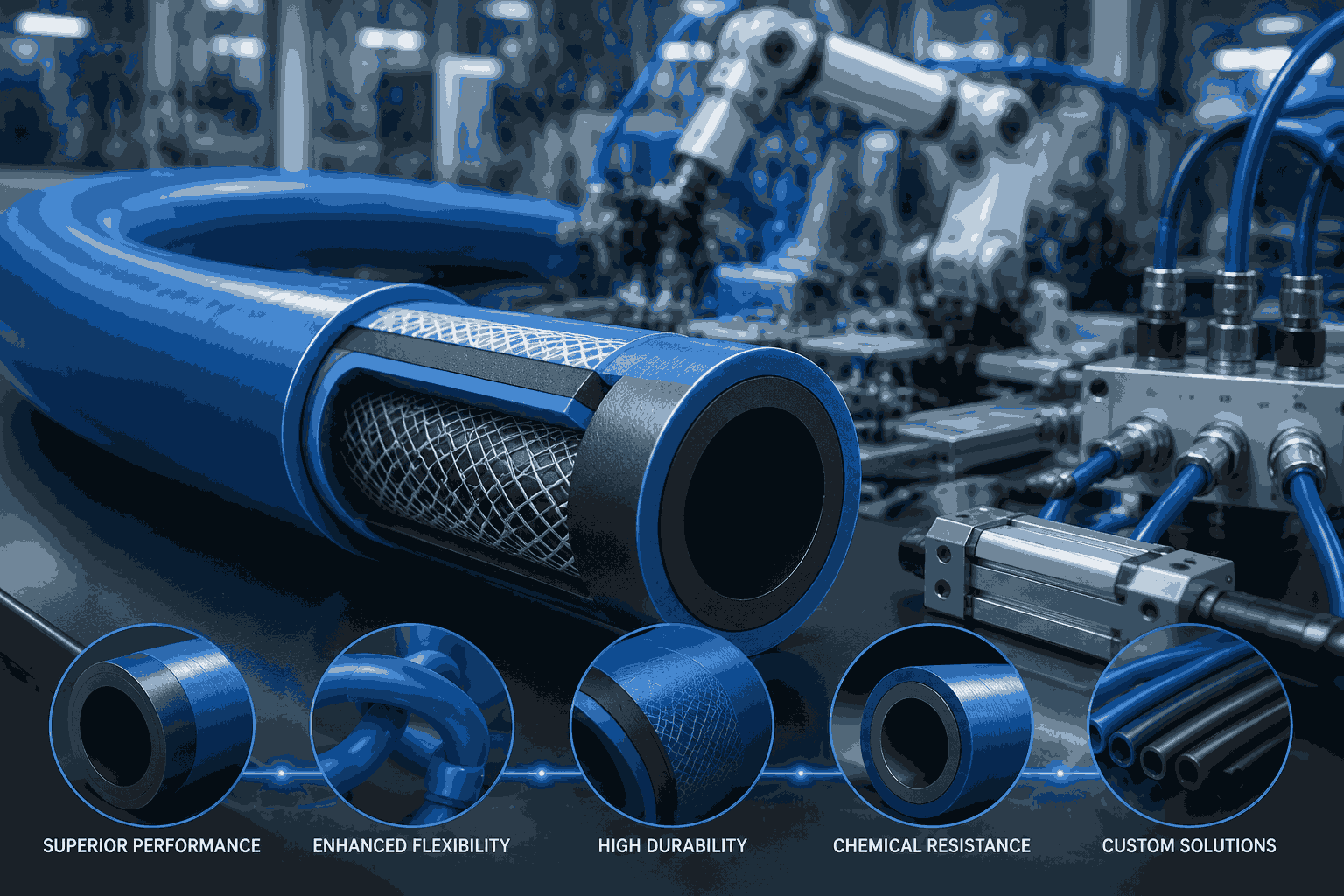
Пневматические системы сегодня являются неотъемлемой частью промышленной автоматизации. В условиях тенденции к созданию более интеллектуальных, гибких и взаимосвязанных производственных мощностей требуется сложная пневматическая система, способная выдерживать различные условия. Хотя для большинства применений достаточно простой пневматической системы из одного материала, существуют области, где распространены высокое давление, воздействие химических веществ или особые механические нагрузки. В таких областях идеально подходит пневматическая система из нескольких материалов, поскольку она состоит из различных типов полимеров, которые вместе образуют композитный материал. Комбинируя, например, полиуретан, нейлон и ПТФЭ, создаются оптимальные свойства с точки зрения гибкости, прочности и химической стойкости. Многокомпонентные пневматические трубки Предлагает множество преимуществ для промышленности и обеспечивает более эффективную работу, более длительный срок службы и более широкие возможности применения в автоматизации.
Чем многокомпонентные пневматические трубки отличаются от традиционных?
Слово «много» лучше всего описывает различия.
Композиционные и структурные инновации
Многокомпонентные пневматические трубки в сочетании Они сочетают в себе лучшие свойства нескольких различных материалов. Их создают с помощью соэкструзии или послойного нанесения в процессе производства. Примером могут служить пневматические трубки с износостойким, гибким внешним слоем из полиуретана, а внутренний слой состоит из ПТФЭ, который химически инертен и обеспечивает беспрепятственный поток воздуха. В внешний слой могут быть добавлены дополнительные компоненты, такие как нейлон, для увеличения давления разрыва при сохранении малого веса отдельных компонентов. Такое специфическое сочетание свойств недостижимо для трубок из одного материала. Производители могут создавать пневматические трубки, специально разработанные для конкретных требований, предъявляемых к ним во время эксплуатации. Это также решает проблему перегибов, возникающую при использовании пневматических трубок, слишком тонких для малых радиусов изгиба, и проблему преждевременного износа, вызванного химическим загрязнением.
Преимущества в эксплуатационных характеристиках по сравнению с трубами из одного материала.
Эти поверхности, в то время как внутренние слои обеспечивают термическую стабильность. Кроме того, внутренние поверхности очень гладкие, что в сочетании со сложной смесью материалов позволяет добиться значительного улучшения функциональности. Износостойкость значительно повышается благодаря твердому внешнему слою с большим внутренним диаметром, что снижает турбулентность и приводит к повышению эффективности потока жидкости. Необходимость в условиях непрерывного производства обусловлена тем, что каждая остановка приводит к существенным потерям. Хотя первоначальная стоимость этих типов трубок может быть выше, чем у стандартных типов, их более длительный срок службы и меньшие требования к техническому обслуживанию обеспечивают повышенную экономическую эффективность в долгосрочных непрерывных производственных операциях.
Каким образом многокомпонентные пневматические трубки повышают эффективность автоматизации?
В более подробном изложении.
Вклад в обеспечение надежности и точности системы.
В пневматических системах надежная передача давления и потока воздуха имеет решающее значение. Благодаря использованию многокомпонентных конструкций минимизируются утечки за счет превосходной герметизации на границах раздела отдельных слоев. Повышенная стабильность размеров гибридной трубки обеспечивает постоянную геометрию трубки даже при изменяющихся нагрузках и температурах. Это гарантирует точное время срабатывания приводов, которые часто используются для управления роботами или для обработки на высокоскоростных производственных линиях. Кроме того, минимизируются потери воздуха, что обеспечивает постоянную выходную силу приводов и оптимальную повторяемость в производстве.
Влияние на энергоэффективность и эксплуатационные расходы
Эффективность: внутренняя поверхность многокомпонентных пневматических труб спроектирована таким образом, чтобы минимизировать трение. Что касается потока, трубы спроектированы так, чтобы поддерживать минимальные потери энергии при прохождении через пневматическую систему, даже на больших расстояниях от компрессора. В результате нагрузка на компрессор и общее энергопотребление объекта сводятся к минимуму в долгосрочной перспективе. Это обеспечивает экономичное и экологически чистое энергосбережение на объекте.
Почему многокомпонентное проектирование имеет важное значение для будущих промышленных применений?
Для следующего поколения промышленной автоматизации требуются гибкие компоненты, способные адаптироваться к постоянно меняющимся условиям. Компонент, подходящий для В таких условиях используются многокомпонентные пневматические трубки.
Адаптируемость к различным промышленным условиям
В настоящее время многие отрасли промышленности ориентируются на более современные методы производства – например, автомобильная и пищевая промышленность – и используют пневматические компоненты, способные функционировать в самых разных условиях. Однако на упаковочных линиях – будь то работа на очень высоких скоростях или в условиях очень низких температур с роботами – современное производство часто требует трубок, обладающих исключительной гибкостью. Преимуществом многокомпонентных трубок является их устойчивость к целому ряду масел, механическим износам, поэтому их можно использовать на химических заводах, при работе с растворителями и другими материалами, а также в условиях воздействия УФ-излучения. Кроме того, трубки также пригодны для использования на открытом воздухе. Благодаря возможности масштабирования по диаметру и давлению, многокомпонентные трубки совместимы с различными конфигурациями оборудования.
Устойчивое развитие и преимущества на протяжении всего жизненного цикла
Инженеры-материаловеды со всего мира внедряют новые стратегии создания устойчивых многокомпонентных решений с использованием перерабатываемых полимеров или экологически чистых композитов. Такие конструкции позволяют увеличить срок службы отдельных компонентов, снижая потребность в замене деталей и, следовательно, уменьшая количество отходов, образующихся с течением времени. Цель устойчивого проектирования — создание более экологичной производственной среды в соответствии с целями Индустрии 4.0 и принципами циркулярной экономики, гарантируя, что продукция, созданная сегодня, не станет отходами завтра.
Как сочетание материалов влияет на эксплуатационные характеристики?
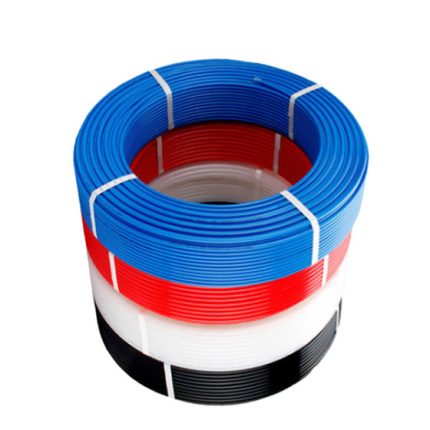
Каждый материал, входящий в состав композитной трубы, обладает собственным набором механических характеристик, обеспечивающих выполнение определенных функций.
Механические свойства, разработанные с учетом конкретных функций.
Баланс гибкости и жесткости
Сочетание мягких эластомеров, таких как полиуретан, с жесткими полимерами, такими как нейлон, позволяет получить лучшие качества обоих материалов, обеспечивая максимальную гибкость в проектировании и сохраняя при этом прочность, необходимую для выполнения сложных операций в небольших станках. Такая конструкция выдерживает множество повторяющихся циклов движения без риска разрушения или образования усталостных трещин.
Оптимизация теплового сопротивления
Типичная многослойная конструкция использует несколько слоев термостойких материалов для поддержания стабильных размеров при термических циклах, характерных для промышленной среды. Обеспечивая упругое поведение при низких температурах, она сопротивляется деформации при высоких температурах, чтобы поддерживать стабильные пневматические характеристики в различных климатических условиях.
Улучшение химической совместимости
Во многих областях применения, где используются смазочные материалы или чистящие средства, химическая совместимость имеет первостепенное значение. Внутренняя часть фильтра химически инертна (ПТФЭ), что предотвращает коррозию под воздействием агрессивных газов или жидкостей. Внешние слои устойчивы к физическому износу и продлевают срок службы фильтра даже в суровых условиях эксплуатации.
Что следует учитывать инженерам при выборе пневматических трубок из различных материалов?
Выбор подходящей трубки для вашего применения требует большего, чем просто убедиться, что она имеет правильный размер и подходит к другим компонентам вашей системы.
Ключевые параметры выбора для промышленного применения
Требования к номинальному давлению и расходу
При выборе трубы инженеры проверяют, чтобы номинальное давление выбранной трубы превышало рабочее давление системы, обеспечивая при этом надлежащую безопасность и минимальное сопротивление потоку на требуемой длине.
Экологические условия и воздействие химических веществ
Все эти факторы влияют на долговечность покрытия в долгосрочной перспективе.
Ограничения при установке и потребности в техническом обслуживании
Разъемы для прокладки кабелей обеспечивают быстрое и простое соединение; простота замены минимизирует время простоя во время планового технического обслуживания; сложность конструкции имеет решающее значение; гибкие материалы позволяют прокладывать кабели вокруг узких углов; совместимость со стандартными разъемами, такими как цилиндрические разъемы.
Кто такая компания Yantai Aisili New Material Co., Ltd.? – Надежный партнер в области решений для пневматических труб из различных материалов.
Компания Yantai Aisili New Material Co., Ltd. занимается проектированием и производством. многокомпонентные пневматические трубки Для использования в промышленной автоматизации по всему миру. Благодаря своим научно-исследовательским возможностям, китайская компания Yantai Aisili New Material Co., Ltd. является одним из ведущих производителей, использующих точную экструзию для создания оптимальных комбинаций материалов, позволяющих изготавливать трубки высочайшего качества для каждого производственного процесса и выбора материалов от начала до конца. Таким образом, создаются высококачественные пневматические трубки для очень специфических применений, таких как робототехника, автоматизированные сборочные линии и другие. Строгий контроль качества осуществляется компанией... Yantai Aisili New Material Co., Ltd. Они поставляются клиентам, работающим в различных областях, таких как электронная сборка, пищевая промышленность и производство «умных» устройств. Они используются в различных отраслях, например: в автомобилестроении, автоматизации и других.
Заключение
Новейшая инновация в промышленной автоматизации – многокомпонентные пневматические трубки – сочетает в себе надежные механические характеристики и гибкую конструкцию. Ее уникальная структура обеспечивает высочайшую долговечность, максимальную энергоэффективность, минимальные утечки и лучшую химическую стойкость по сравнению с конкурирующими решениями. Индустрия 4.0, в частности, уделяет особое внимание высочайшей точности и экологичности – это, безусловно, самая большая задача для разработки материалов в будущем. Исследования и разработки пневматических трубок только начинаются – возможности применения интеллектуального производства во всем мире огромны.
Часто задаваемые вопросы
Каковы основные преимущества использования многокомпонентных пневматических трубок?
Многокомпонентные конструкции в полной мере используют преимущества различных материалов для достижения максимальной гибкости, максимально возможной устойчивости к давлению, высочайшей химической стойкости и более длительного срока службы, чем у труб из одного материала, при этом максимально снижая вес.
Можно ли адаптировать многокомпонентные пневматические трубки под конкретные промышленные задачи?
Да. У производителей есть множество вариантов проектирования труб, отвечающих вашим конкретным требованиям. Такие характеристики, как внутренняя облицовка, внешнее покрытие, диаметр труб и толщина стенок, могут быть разработаны для работы в различных температурных и химических средах.
Как компания Yantai Aisili New Material Co., Ltd. обеспечивает надежность своей продукции?
Наши многокомпонентные трубы для промышленной автоматизации изготавливаются методом высокоточной экструзии, проходят всесторонние испытания и постоянный контроль качества, что гарантирует неизменно высокое качество всей нашей продукции.