


Comprehensive Guide to Polyurethane Pneumatic Tubing: Types, Sizing & Best Practices for 2026
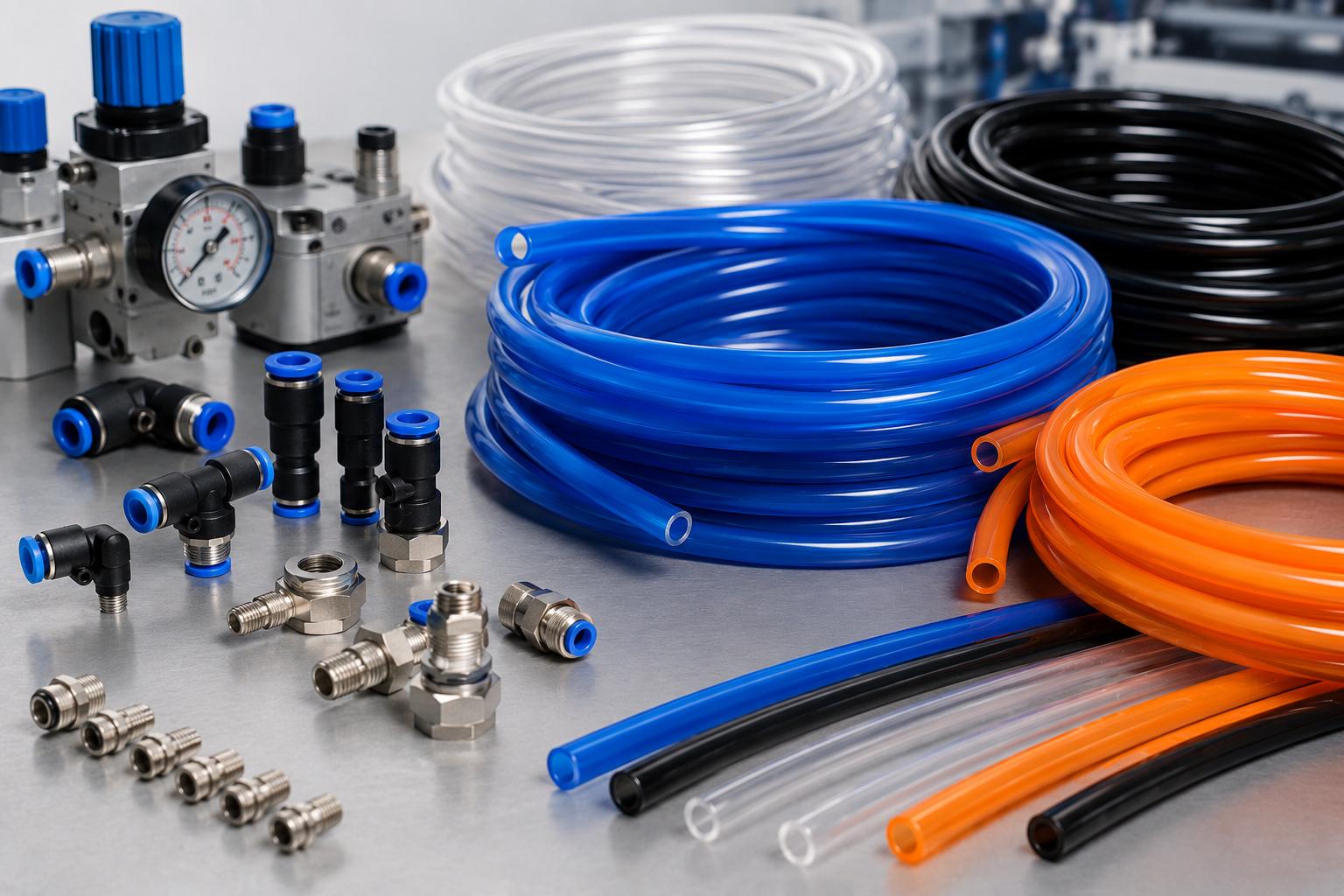
PU pneumatic tubes are often used in industrial automation, in fluid control as well as in air delivery systems. As industries strive to reach new levels of efficiency and to increase reliability in 2026, choosing the right PU pneumatic tube is not merely a technical matter. It is a matter of strategic importance with regards to the function and maintenance of a system as well as the return on investment in the long term. This guide to polyurethane pneumatic tubes presents the current types, gives an explanation of the different methods of determining the required size and also contains useful tips and expert knowledge.
What Are the Main Types of Polyurethane Pneumatic Tubing?
Before we look into sizing and how to install PU tubes it is first important to note that not all PU tubes are made equal. How a PU tube will perform under various stresses including pressure and temperature will be largely influenced by the chemical composition and the manufacturing process used to produce it.
Ether-Based vs. Ester-Based Polyurethane Tubing
Two major categories of polyurethane, namely ether-based and ester-based polyurethane, offer different benefits depending on the environmental conditions.
- Ether-based PU tubingoffers superior hydrolysis resistance, making it suitable for humid or wet environments where condensation or washdowns are frequent.
- Ester-based PU tubingprovides better mechanical strength but is more sensitive to moisture exposure.
According to a 2025 report by Fluid Power Journal, ether-based variants now account for over 60% of pneumatic tubing used in automation sectors due to their longevity in high-humidity conditions. In one automotive assembly case study, switching from ester- to ether-based tubes extended operational life by nearly 40%, reducing maintenance interruptions across robotic arms.
How Should You Choose the Right Size for Your PU Pneumatic Tube?
Proper sizing of your duct work has a huge impact on the efficiency of airflow and overall performance of your system. Using tubing that is too small will restrict airflow, and lines that are too large will slow down pressure rise.
Factors Influencing Tube Sizing Decisions
Several parameters determine optimal sizing:
- Internal diameter dictates airflow rate—smaller diameters restrict flow but improve control precision.
- Wall thickness affects pressure rating; thicker walls handle higher PSI values but reduce flexibility.
- According to Parker Hannifin’s 2024 pneumatic system study, improper sizing can increase compressor energy consumption by up to 18%.
In practice, engineers often balance these trade-offs by modeling expected flow rates against actuator speed requirements before finalizing dimensions.
Calculating Flow Requirements Accurately
Accurate energy calculations prevent unnecessary energy waste, and the accurate performance calculations allow for consistent performance.
- Use flow rate charts or online calculators based on working pressure and actuator specifications.
- Consider total line length—longer runs require larger diameters to offset frictional losses.
- Always verify compatibility between tube ID/OD dimensions and fitting specifications from manufacturers.
For example, a packaging facility using long conveyor-mounted cylinders found that upgrading from 4 mm to 6 mm internal diameter tubing improved actuation time by nearly 12%, with no additional compressor demand.
Why Is Material Compatibility Crucial in Pneumatic Systems?
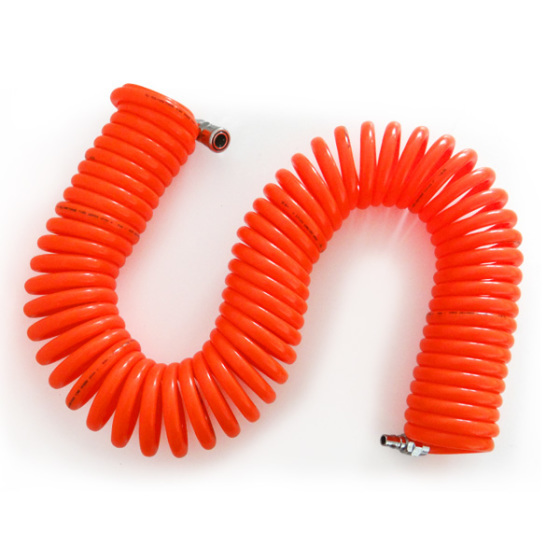
Material compatibility refers to the environmental resistance of tubing such as resistance to temperature changes, chemical exposure and mechanical stress. If incorrect materials are selected for an application, the tubing may undergo unwanted changes such as swelling, cracking or softenings depending on the fluid and temperature.
Temperature Resistance and Environmental Factors
Standard polyurethane pneumatic tubing is typically rated for service from -40° C to +70° C. However, there are specialized compounds that can extend this temperature range. In automotive assembly lines where the ambient temperature can fluctuate greatly near welding stations, high-temperature polyurethane compounds are able to maintain flexibility without becoming brittle or deforming.
Chemical Resistance Considerations
Chemical exposure plays an equally critical role:
- Ether-based polyurethane resists hydrolysis better than ester-based alternatives when exposed to water or alcohols.
- Oils or cleaning solvents may gradually affect mechanical integrity if not properly matched with tube material.
Field data from a 2023 European Pneumatics Association survey showed that chemical incompatibility accounts for nearly 12% of premature tubing failures—a reminder that even minor fluid contamination can shorten service life dramatically.
What Are Effective Installation and Maintenance Practices for Polyurethane Tubing?
Even the best tubing can fail if not installed correctly or is not maintained properly. Correct handling makes big differences concerning the useful life and safety of operation.
Installation Techniques That Prevent Common Failures
To minimize risk during setup:
- Avoid sharp bends below the minimum bend radius specified by manufacturers.
- Use proper cutting tools to achieve clean edges that fit securely into push-to-connect fittings.
- Secure lines away from moving parts using clamps or guides to prevent abrasion.
A food-processing plant reported fewer leaks after adopting color-coded PU tubes pre-cut with dedicated tools instead of manual scissors—small procedural changes with measurable reliability gains.
Routine Inspection and Replacement Intervals
Preventive maintenance keeps systems stable:
- Conduct visual inspections every six months in high-cycle applications.
- Replace tubing showing discoloration, surface cracks, or stiffness loss.
- Document maintenance schedules—companies following structured replacement programs report up to 25% fewer unplanned downtimes (Fluid Systems Review, 2024).
How Is Polyurethane Tubing Expected to Evolve by 2026?
Demand for flexible pneumatic solutions globally is rising as a result of increasing automation. This is especially true in packaging, in electronics assembly and in production of medical devices. Market forecasts indicate a compound annual growth rate of more than 5% up to the year 2026. In this area especially light-weight, durable materials are in demand.
Trends Shaping Future Material Development
To maintain the mechanical performance of polyurethane while decreasing its environmental impact, there are now bio-based blends of polyurethane on the market. In innovative and smart production plants tubing with constant dimensions is required for high pressure and thus for precise dosing, e.g. in the pharmaceutical sector, or for cooling in the electronics production.
Technological Innovations Impacting Production Quality
The latest advances in extrusion technology guarantee uniform wall thickness and high burst strength even between batches. The inline quality sensors on the production line consistently achieve a defect rate of around 15 % below the average, as the 2025 benchmark study proves. This increased quality also allows for much tighter specifications for the ID/OD of the tubes. This is particularly relevant for connection to pneumatic tubes made of PU via automated quick-release connections in highly dynamic assembly environments.
How Does Miwival Contribute as a Reliable Partner in Pneumatic Solutions?
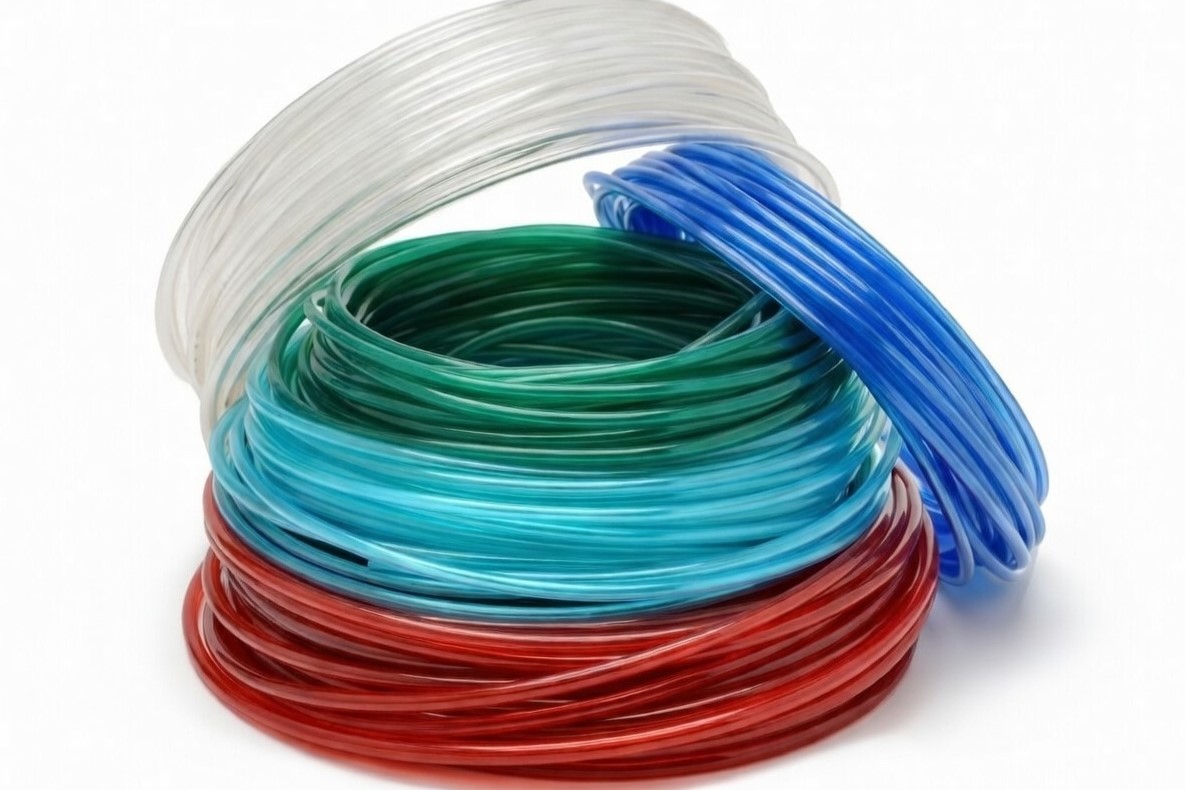
To further benefit from component synergy in complex pneumatic networks required for precise processes, additional suitable components are supplied by supplier Miwival. As an established expert for the high-quality segmented ball valves, Miwival offers a range of compatible products for the current polyurethane pneumatic systems. In addition to its high quality products that are tested to a high standard to guarantee consistency, the company also offers support for engineering of customized applications for flow control. With many years of experience Miwival is not only a supplier of suitable products, but also supports his customers in selecting the appropriate products, based on the required pressure and fluid. With this support, engineers can design safe and efficient pneumatic networks without the high costs of errors.
Who Is Yantai Aisili New Material Co., Ltd., and What Services Do They Offer?
As industries seek dependable suppliers for polyurethane pneumatic tubing, Yantai Aisili New Material Co., Ltd. stands out through its focus on quality manufacturing processes aligned with current automation demands. The company produces ether- and ester-based PU tubes designed for varied working pressures across industrial sectors such as robotics, packaging machinery, and automotive assembly lines. Beyond supplying standard products, they offer custom dimensioning services and consultation on material selection suited for specific chemical environments or temperature ranges. Their technical support teams work closely with OEM engineers during design validation stages—ensuring each PU pneumatic tube performs consistently under real-world conditions.
Conclusion
Choose your polyurethane pneumatic tubing on the basis of the available variety of materials that are to be adapted to the required flexibility and service life. Here it is also important to note the chemical resistance, the exact tolerances and the installation with the aid of data and not by trial and error. Automation is increasingly finding application in new branches of industry by 2026. At this component too, the work of the engineers will have an influence on the system’s running time and on the cost price. On the basis of the tube material and the corresponding specific application stress, there are enormous energy savings and an increase in system response that can be achieved by correct choice. The materials are continually being developed in the direction of more durable and more ecological service.
FAQs
1. How long does polyurethane pneumatic tubing typically last?
High-quality PU pneumatic tubing typically lasts 3 to 5 years under normal operation conditions. However, by maintaining and operating at constant temperatures, it is possible for PU pneumatic tubing to last longer than that.
2. Can polyurethane tubes be used interchangeably with nylon tubes?
No, because nylon tubes have a higher pressure capacity than nylon but are stiff. Polyurethane tubing is used for dynamic applications where a lot of flexing is required.
3. How do you tell if you need to replace the tubing?
Check your tubing for surface cracking, color fade, increased rigidity or leaks from the fittings. These can be signs of aging or environmental degradation.
4. Are there eco-friendly versions of polyurethane tubing offered?
Yes. As mentioned above, there are now bio-based polyurethane materials offered by several suppliers that provide similar or even better performance while having a lower carbon footprint during manufacturing.
5. What is a safe pressure range for pneumatic tubes made of standard PU material?
For standard pneumatic PU tubes a maximum pressure of 145 psi (10 bar) is recommended. Pneumatic PU tubes with reinforcements can be used at much higher pressures, depending on the thickness of the wall and the specifications of the manufacturer.