


How to Plan PU Pneumatic Tubing Purchasing for Seasonal and Repeat Orders
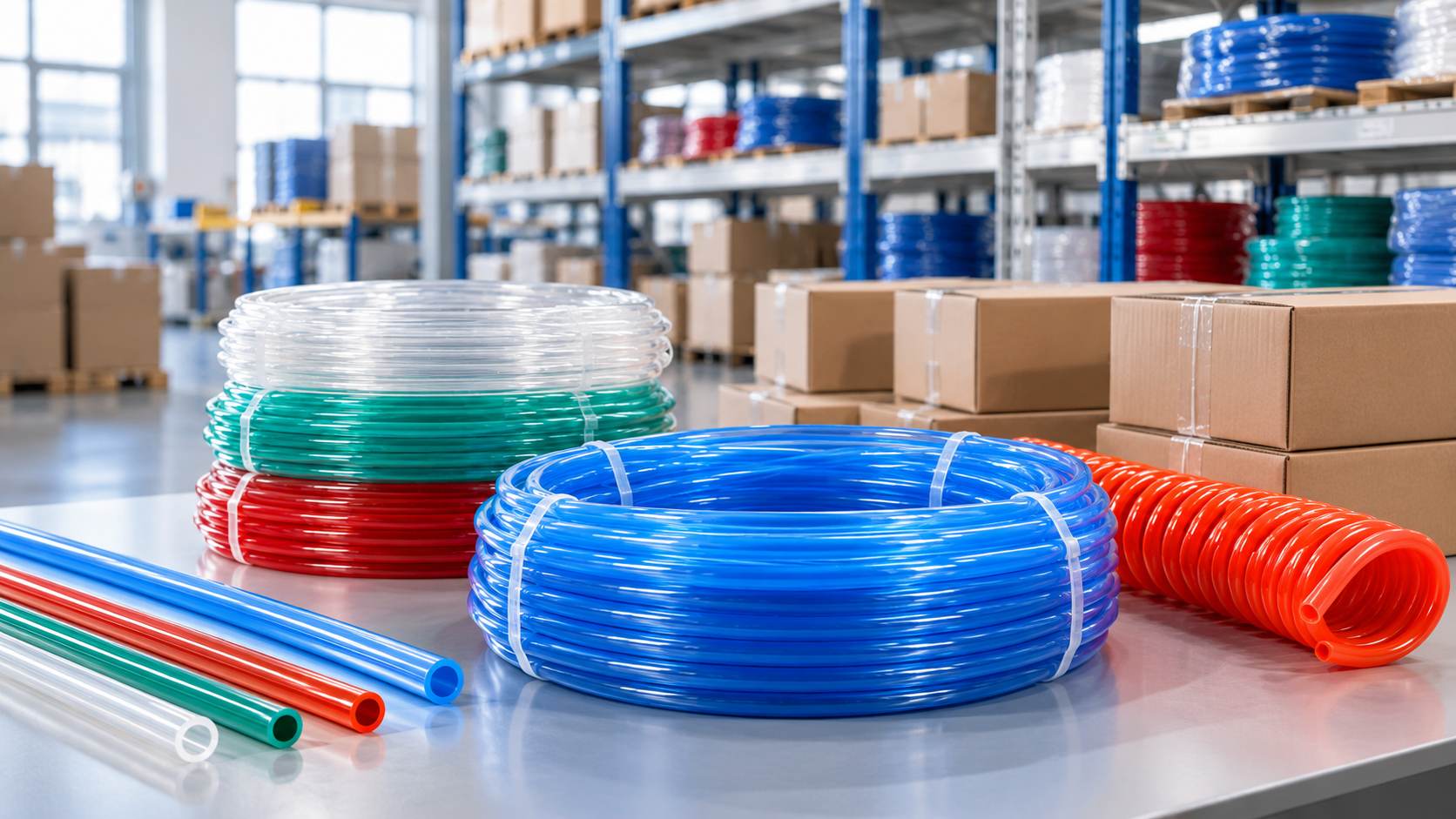
Seasonal PU pneumatic tubing purchasing works more reliably when buyers plan around the specifications customers actually order, rather than the total amount of tubing sold. A distributor may have plenty of stock but still run short of a particular size or color. An OEM manufacturer can face a similar problem when several equipment projects require the same tube at once. Ordering more material before the busy season is not always the answer, especially when some specifications are unlikely to be used again. A workable purchasing plan needs to connect customer demand, existing stock, supplier lead time, and the requirements that must remain consistent across repeat orders.
What Should Buyers Look at Before Preparing a Seasonal Forecast?
Last year’s purchasing records are a useful starting point, but they do not always show when customers actually needed the tubing.
A distributor may have purchased additional stock in March and sold it gradually over the following months. Using March’s purchase quantity as the forecast for next year could create unnecessary inventory.
Sales records by SKU provide a more useful picture. They show which sizes and colors customers order repeatedly and which products are associated with occasional projects.
What If Sales Were Low Because the Product Was Out of Stock?
A month with limited sales does not necessarily indicate weak demand. If customers requested a tube that was unavailable, the forecast should account for those missed orders where records exist.
Large one-time purchases should also be separated from regular demand. An OEM order for a specific machine project should not automatically become part of the following year’s seasonal forecast.
Which PU Tubing Specifications Should Be Kept in Regular Stock?
A distributor may carry several tube sizes in different colors, materials, and packaging lengths. Some are ordered every month, while others are requested only for particular equipment.
Those products should not receive the same inventory allocation.
Frequently ordered specifications can justify regular replenishment, especially when several customers use the same item. Unusual sizes or customer-specific variants are better planned against confirmed requirements.
The polyurethane pneumatic tubing range includes different materials and configurations. Similar-looking tubes should not be treated as interchangeable simply because they share the same outside diameter.
How Should Custom Tubing Be Handled?
Custom colors, hardness requirements, dimensions, or packaging arrangements may limit where excess stock can be used.
Before purchasing additional quantities, confirm whether the customer expects repeat orders and whether the approved specification remains unchanged.
A purchasing schedule based on a confirmed equipment project is generally more useful than building large amounts of customer-specific stock around uncertain future demand.
How Can Reorder Points Be Set Without Buying Too Much?
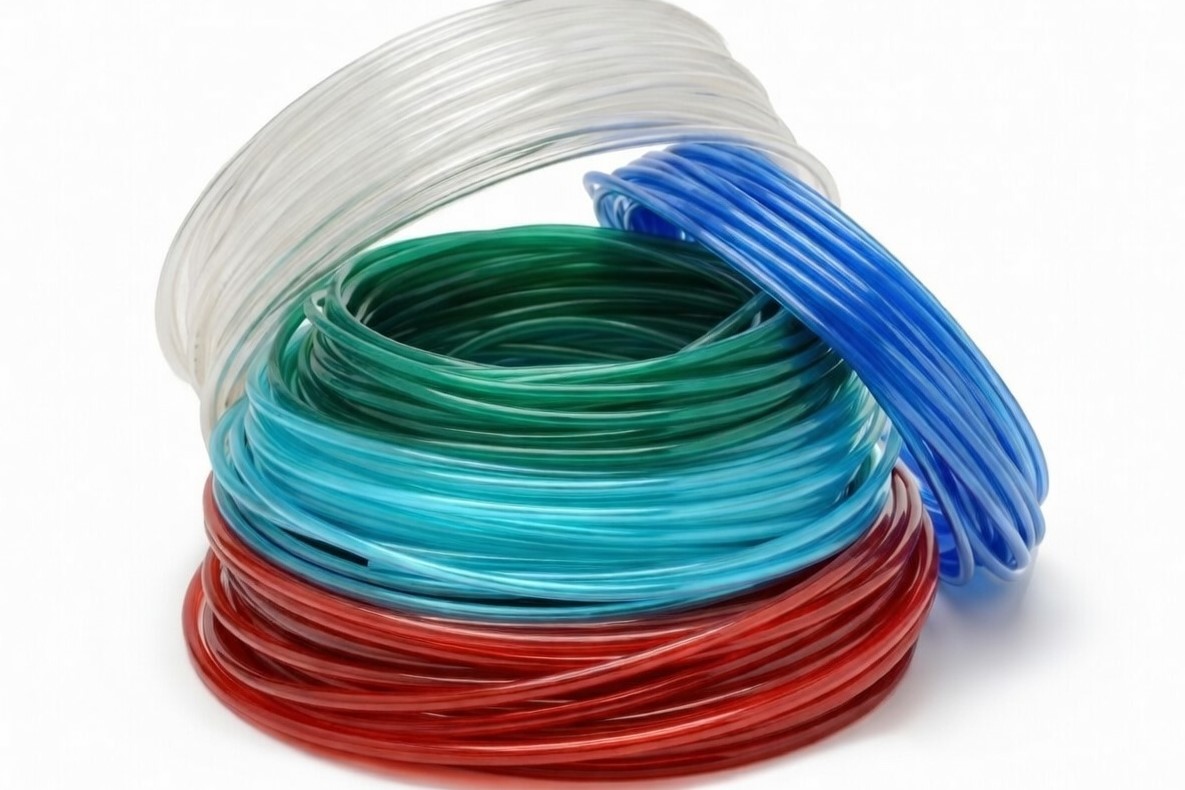
The next order should be placed early enough to cover consumption while replacement stock is being manufactured and delivered.
The relevant lead time does not end when the supplier finishes production. Transportation, customs clearance, warehouse receiving, and incoming inspection may all take additional time.
A basic calculation is:
Reorder Point = Expected Demand During Replenishment Lead Time + Safety Stock
Safety stock should reflect the variability of demand and delivery rather than an identical allowance for every SKU.
A regularly ordered tube may need a larger buffer than a special specification purchased for one project.
Before setting the reorder point, confirm when the supplier’s quoted production period begins and whether the delivery estimate includes transportation to the buyer’s warehouse.
The calculation should be reviewed when customer demand, shipping arrangements, or supplier schedules change.
How Can Repeat Orders Maintain the Same Tubing Specification?
A customer may continue ordering “8 mm PU tube” even though the original approved product included a particular material, hardness, wall thickness, or color.
If those details are missing from the purchasing record, a repeat order may be filled with a product that looks similar but does not meet the original equipment requirement.
Which Details Should Remain on the Approved Purchasing Record?
The product specification should identify material, OD and ID, dimensional tolerances, hardness where applicable, color, packaging length, and required operating characteristics.
For equipment applications, incoming checks may also include surface condition and compatibility with the approved pneumatic fitting.
The difference between material families becomes particularly important when buyers handle multi-material pneumatic tubing alongside PU products.
A change in material or dimensions should be reviewed before the revised product is accepted as a replacement for the original specification.
Batch identification also helps purchasing teams investigate customer complaints without treating every shipment as potentially affected.
What Should Buyers Confirm Before Releasing a Repeat Purchase Order?
A forecast helps with planning, but the purchase order needs an agreed quantity and delivery arrangement.
For each SKU, identify the approved specification, required quantity, shipment date, destination, and packaging requirements. If the order will be delivered in stages, confirm the individual shipment quantities rather than relying on one final delivery date.
Suppliers should also be able to distinguish confirmed orders from preliminary demand forecasts.
When a customer changes dimensions, material, or another approved requirement, the purchasing team should arrange sample confirmation before treating the revised product as an ordinary repeat order.
The final RFQ should reference the existing product specification and identify only the commercial or technical details that have changed.
Need Help Planning PU Pneumatic Tubing for Repeat Orders?
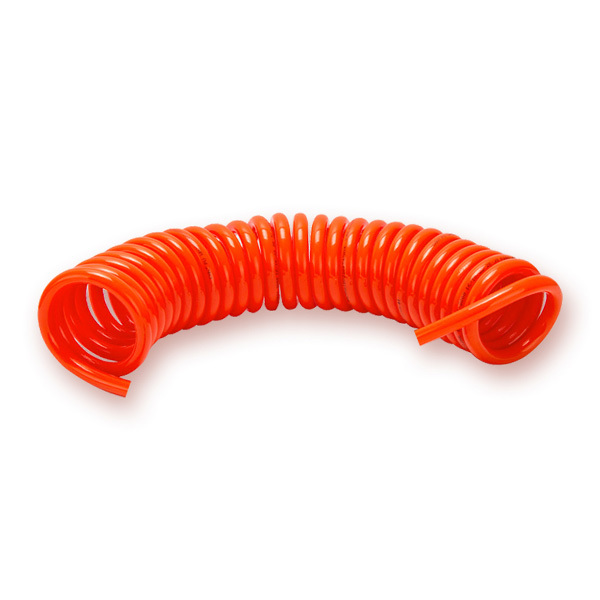
Yantai Aisili New Material Co., Ltd. manufactures polyurethane pneumatic tubing and related pneumatic materials for industrial applications. The company operates facilities in Yantai and Linyi, Shandong, with seven extrusion production lines and OEM/ODM support for tubing dimensions, hardness, colors, and performance requirements. Its product portfolio includes different straight and spiral tubing configurations, including Flexcoil PU Tubing. Buyers planning seasonal or repeat orders can provide approved specifications, expected quantities by SKU, packaging requirements, and requested delivery periods through the company’s contact page. These details establish a practical basis for discussing production arrangements and sample approval.
Conclusion
Seasonal PU pneumatic tubing purchasing should follow actual customer demand and approved product specifications rather than total inventory volume. Regularly ordered items may justify planned replenishment, while custom variants need closer coordination with confirmed projects. Reorder points should account for the full delivery period, and repeat orders should reference the original technical approval. Before placing an order, purchasing teams need to confirm the quantities, specifications, packaging, and shipment schedule so that available stock matches the products customers expect to receive.
FAQs
1. How should distributors forecast seasonal PU tubing demand?
Review historical sales by SKU, repeat customer orders, previous stock shortages, and seasonal purchasing patterns. Large one-time projects should be separated from recurring demand so that the forecast does not create unnecessary inventory.
2. Which PU tubing specifications should be stocked regularly?
Tubing specifications with stable demand across several customers are suitable candidates for regular inventory. Custom colors, unusual dimensions, and customer-specific packaging may require separate purchasing arrangements based on confirmed orders and expected repeat demand.
3. When should buyers reorder pneumatic tubing?
Calculate expected consumption during the full replenishment period and add an appropriate safety-stock allowance. Include manufacturing, transportation, customs clearance, and receiving inspection when estimating how long it will take for usable stock to become available.
4. How can repeat orders maintain consistent tubing quality?
Use an approved specification covering material, dimensions, tolerances, hardness, color, packaging, and required operating characteristics. Maintain batch identification and inspection records, and require clear approval before changing the original specification.
5. What should buyers provide when requesting seasonal PU tubing supply?
Provide expected quantities by SKU, approved specifications, requested shipment dates, packaging requirements, and inspection or documentation needs. Distinguish confirmed purchase orders from preliminary forecasts so production and delivery arrangements can be discussed against realistic demand.