Produktnachrichten
-
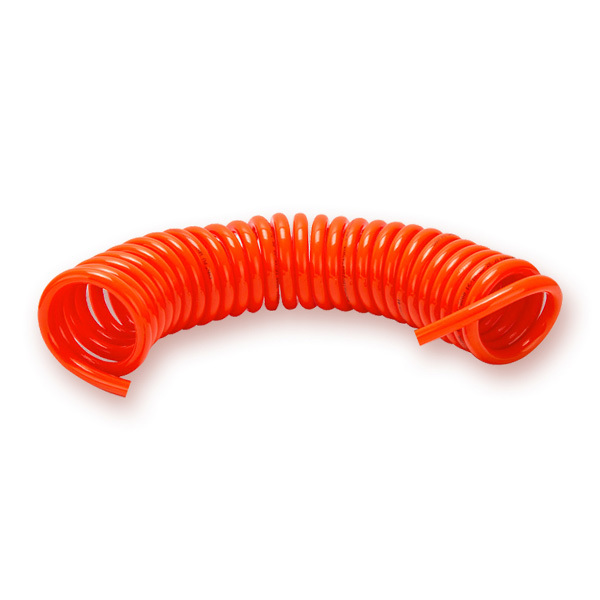
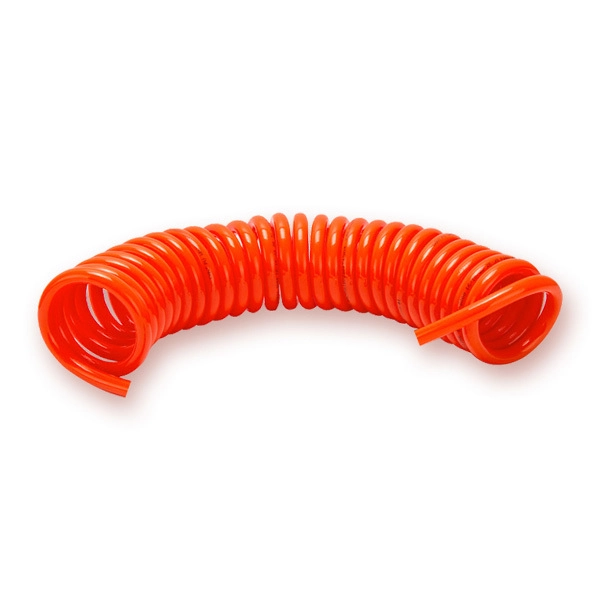
 24 AprilVon AdminFlexcoil-PU-Schlauch vs. gerader Druckluftschlauch: Welcher sorgt am besten für Ordnung am Arbeitsplatz?Betritt man eine Montagehalle oder Roboterzelle, sieht man sofort das Chaos. Überall verlaufen gerade Pneumatikschläuche. Sie schlingen sich über Werkbänke, türmen sich auf dem Boden und werden schnell zum Ärgernis. Techniker stolpern darüber. Teile verhaken sich darin. Am Ende jeder Schicht verschwendet jemand Zeit damit, diesen „Schlauchdschungel“ zu entwirren, nur um den Betrieb aufrechtzuerhalten. Flexcoil PU-Schläuche lösen dieses Problem. Ihre Spiralform dehnt sich bei Bedarf aus. Lässt man sie los, schnappt sie wieder ordentlich zusammen. Ein 10 Meter langer Schlauch kann für die jeweilige Aufgabe herausgezogen und anschließend wieder zusammengezogen werden…
 -
23 AprilVon AdminWie man Drucklecks in Nylon-Pneumatikschläuchen schnell erkennt und behebtDas schrille Zischen austretender Luft kann eine ganze Produktionslinie im Nu lahmlegen. Noch läuft alles reibungslos, im nächsten Moment sinkt der Druck, die Zylinder laufen langsamer und die Tagesproduktion bricht ein. In vielen Fabriken bilden Nylon-12-Schläuche das Rückgrat dieser Druckluftsysteme. Sie halten der harten täglichen Belastung besser stand als viele andere Alternativen. Wenn Sie als Techniker hektisch versuchen, das Leck zu finden, bevor der Vorgesetzte kommt, bietet Ihnen dieser Artikel konkrete und wirksame Schritte. Wir erklären Ihnen die Anzeichen, auf die Sie achten sollten, und wie Sie das Leck reparieren können…
-
17 AprilVon Admin5 häufige Ausfälle von Druckluftleitungen in der Automatisierung und wie funkenfreie PU-Schläuche diese behebenStillstandszeiten treffen automatisierte Produktionslinien hart. Ein einziger Schlauchdefekt kann eine ganze Roboterzelle oder ein Förderband stundenlang zum Stillstand bringen. In der hektischen Fabrikhalle sind pneumatische Schläuche ständigen Belastungen ausgesetzt. Funken sprühen, Öl spritzt, scharfe Kanten reiben an den Schläuchen, und die Temperaturen schwanken stark. All diese Belastungen summieren sich schnell und führen zu plötzlichen Ausfällen, die niemand will. Viele Betriebe haben immer wieder mit denselben Problemen zu kämpfen: Schläuche reißen, sie werden undicht oder schmelzen in heißen Bereichen in der Nähe von Schweißnähten. Wartungsteams müssen die Schläuche viel zu oft austauschen. Das treibt die Kosten in die Höhe und beeinträchtigt die tägliche Produktion.
-
16 AprilVon AdminDie 5 häufigsten Ursachen für Ausfälle von Schlauchleitungen und wie Nylon-6-Schläuche diese verhindernPneumatische Systeme sorgen für einen reibungslosen Fabrikbetrieb. Sie treiben Roboter an und halten Montagelinien stundenlang am Laufen. Doch wenn eine Leitung reißt, kommt der gesamte Betrieb zum Erliegen. Ausfallzeiten häufen sich schnell. Die Reparaturkosten steigen unerwartet hoch. In stark frequentierten Werken treten diese Störungen häufiger auf, als den meisten Mitarbeitern lieb ist. Wartungsteams stoßen immer wieder auf dieselben Problemstellen. Leitungen bekommen Risse. Sie werden undicht. Manchmal platzen sie sogar, gerade dann, wenn die Arbeit eigentlich ein Kinderspiel sein sollte. Die gute Nachricht: Die meisten dieser Probleme lassen sich auf fünf Hauptursachen zurückführen…
-
10 AprilVon AdminPneumatikschläuche in Automobilmontagelinien: Die Lösung des „Kabelträger“-AlbtraumsAutomobil-Montagelinien laufen ununterbrochen. Förderanlagen sind permanent in Betrieb. Roboterschweißanlagen schwingen tausende Male pro Schicht hin und her. In diesen langen Kabelkanälen wird die Pneumatikleitung stark beansprucht. Sie wird gebogen, gedehnt, reibt an anderen Leitungen und wird immer wieder gespannt. Wenn die Leitung knickt, verformt oder ermüdet, kann die gesamte Linie langsamer werden oder ganz zum Stillstand kommen. Das bedeutet Produktionsausfälle, verfehlte Ziele und frustrierte Wartungsteams. Viele Werke kämpfen Jahr für Jahr mit dem gleichen Problem der Kabelkanäle. Die gute Nachricht: Die richtige Leitung kann die meisten dieser Probleme lösen. Flexcoil PU-Leitungen…
-
09 AprilVon AdminVergleich von einlagigen, flammhemmenden PU-Schläuchen und -Rohrleitungen im pneumatischen DesignViele Ingenieure verwenden die Begriffe „Schlauch“ und „Rohr“ synonym, doch sie bezeichnen nicht dasselbe. Das Verständnis der tatsächlichen Unterschiede hilft Ihnen, bei der Konstruktion pneumatischer Systeme bessere Entscheidungen zu treffen. Bevor wir uns dem detaillierten Vergleich widmen, ist es wichtig zu klären, was diese beiden Produkte in der Praxis auszeichnet. Was sind die Kernunterschiede zwischen einlagigem, flammhemmendem PU-Schlauch und Pneumatikschlauch? Unser einlagiger, flammhemmender Polyurethanschlauch besteht aus einem polyurethanmodifizierten Material. Dieses Material zeichnet sich durch gute Biegsamkeit, Abriebfestigkeit und hohe Zugfestigkeit aus. Der Schlauch enthält integrierte Flammschutzmittel. Er verfügt außerdem über eine PVC-Außenbeschichtung, die seine Eigenschaften verbessert…