Product News
-
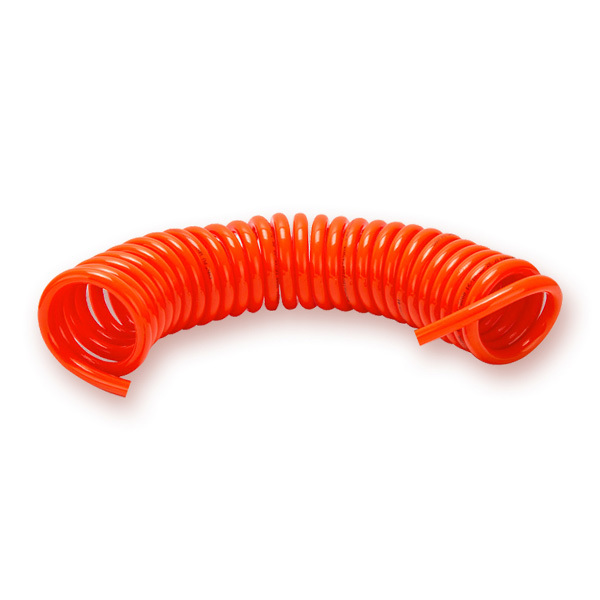
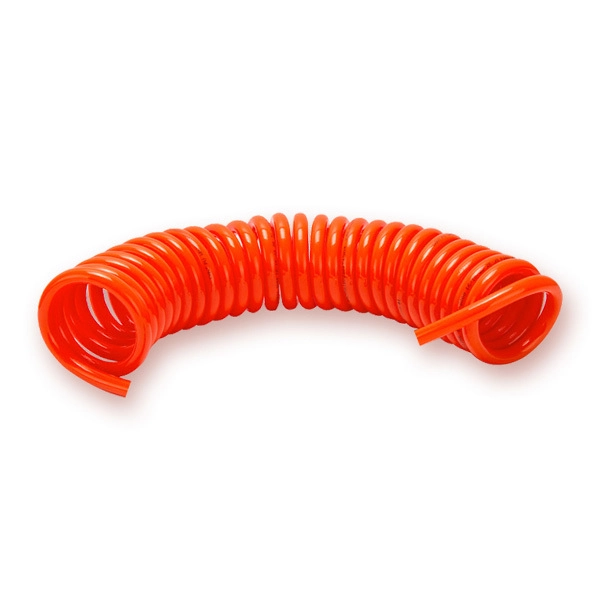
 24 AprBy AdminFlexcoil PU Tubing vs Straight Pneumatic Tubing: Which One Eliminates Workspace Clutter Best?Walk into almost any assembly shop or robot cell and you see the mess right away. Straight pneumatic tubing runs everywhere. It loops across benches, piles up on the floor, and turns into a real headache. Techs trip over it. Parts snag on it. At the end of every shift, someone wastes time untangling that “hose jungle” just to keep things running. Flexcoil PU Tubing fixes that problem. Its spiral shape stretches out when you need it. Then it snaps back into a neat coil when you let go. A 10-meter line can pull out for the job and shrink…
 -
23 AprBy AdminHow to Quickly Identify and Fix Pressure Leaks in Nylon Pneumatic TubingThat sharp hiss of air sneaking out can kill a whole production line in no time. One second everything hums along fine. The next, pressure falls, cylinders slow down, and your daily output takes a hit. In lots of factories, Nylon 12 tubing forms the backbone of these air systems. It stands up to the rough daily grind better than plenty of other choices out there. If you're the tech scrambling to track down the leak before the supervisor comes around, this piece lays out real steps that actually help. We'll cover the signs to watch for, ways to patch…
-
17 AprBy Admin5 Common Pneumatic Tubing Failures in Automation and How Anti-Spark PU Tubing Solves ThemDowntime hits hard on automated lines. A single tubing failure can bring an entire robotic cell or conveyor to a stop for hours. On busy factory floors, pneumatic tubing faces constant punishment. Sparks fly everywhere. Oil splashes around. Sharp edges rub against the lines. Temperatures swing up and down. All these stresses build up fast. They lead to sudden breakdowns that nobody wants. Many plants keep running into the same problems. Tubes crack open. They start leaking. Or they melt in hot zones near welding. Maintenance crews replace lines way too often. That drives up costs and cuts into daily…
-
16 AprBy AdminTop 5 Causes of Pneumatic Tube Failure and How Nylon 6 Tubing Prevents ThemPneumatic systems keep factories running smooth. They power robots and push assembly lines along hour after hour. But when the tubing lets go, the whole operation screeches to a stop. Downtime builds up in a hurry. Repair costs climb higher than expected. In busy plants, these breakdowns happen more often than most crews want to talk about. Maintenance teams run into the same trouble spots time after time. Tubes develop cracks. They start to leak. Sometimes they burst when the job should have been easy. The encouraging part is that most of these issues boil down to five main causes.…
-
10 AprBy AdminPneumatic Tubing in Automotive Assembly Lines: Solving the "Cable Carrier" NightmareAutomotive assembly lines never stop moving. Conveyor systems run nonstop. Robotic welding stations swing back and forth thousands of times per shift. Inside those long cable carriers, pneumatic tubing takes a beating. It bends, stretches, rubs against other lines, and gets pulled tight again and again. When tubing collapses, kinks, or fatigues, the whole line can slow down or stop. That means lost production, missed targets, and frustrated maintenance crews. Many plants still fight the same old “cable carrier nightmare” year after year. The good news is that the right tubing can solve most of these problems. Flexcoil PU Tubing…
-
09 AprBy AdminComparing PU Single Layer Flame Retardant Tubing and Hose in Pneumatic DesignMany engineers use the terms “tubing” and “hose” interchangeably, but they are not the same. Understanding the real differences helps you make better choices when designing pneumatic systems. Before diving into the detailed comparison, it’s important to clarify what sets these two products apart in actual applications. What Are the Core Differences Between PU Single Layer Flame Retardant Tubing and Pneumatic Hose? Our polyurethane single-layer, flame-retardant tubing comes from a polyurethane-modified material. This material shows good bendiness, resistance to scraping, and solid pulling power. The tubing includes built-in flame-retardant additives. It also has a PVC outer coating that improves its…