


Product News
-
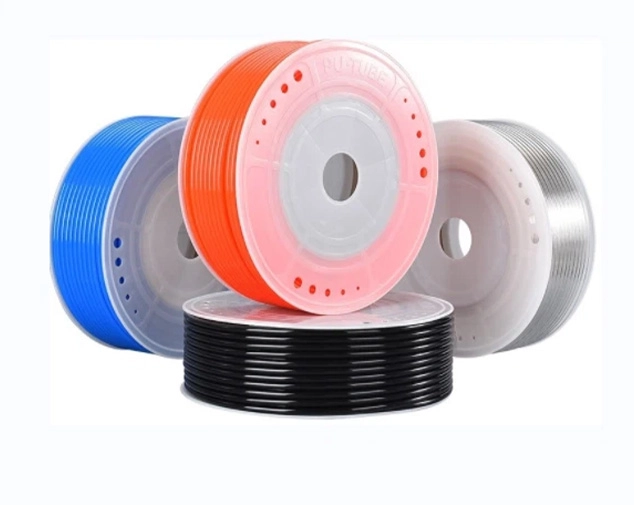 26 FebBy AdminThe Ultimate Guide to Bend Radius, Flexibility & Longevity of PU Pneumatic TubingIn automated setups where space gets cramped and pieces keep shifting around, choosing the proper pneumatic tubing can seriously affect how well everything runs. Polyurethane pneumatic tubing—commonly shortened to PU tubing—really stands out. It deals with sharp turns, nonstop flexing, and long stretches of use without kinking up or splitting early. Folks working on robotics, drag chains, pick-and-place machines, or conveyor lines often pick PU because it strikes a nice balance between being tough and staying bendy. This guide takes a close look at the main things that matter: bend radius, flexibility, and how long the stuff actually lasts. We’ll…
 -
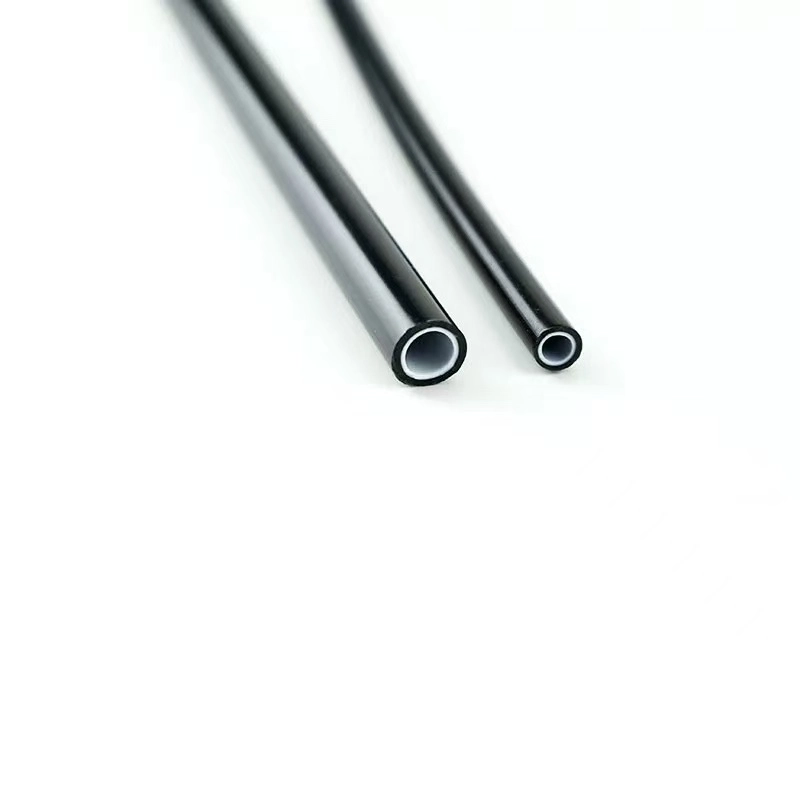 19 FebBy AdminHow TPEE Anti-Spark Tubing Improves Workplace Safety and Reduces DowntimeWelding stations spark constantly. Hot metal flies. One stray spark hits a regular air line, and boom—tube melts or catches fire. The line shuts down. Crews scramble for emergency fixes. Production stops cold. That kind of mess racks up hours of lost time and piles on repair bills. TPEE anti-spark tubing flips the script. Built tough with flame-retardant properties, it shrugs off those hot spatters. No melting. No ignition. Just steady air flow to keep tools and actuators humming. In spots where safety rules tight and every minute matters, this tubing steps up big. It meets tough flame standards like UL94…
 -
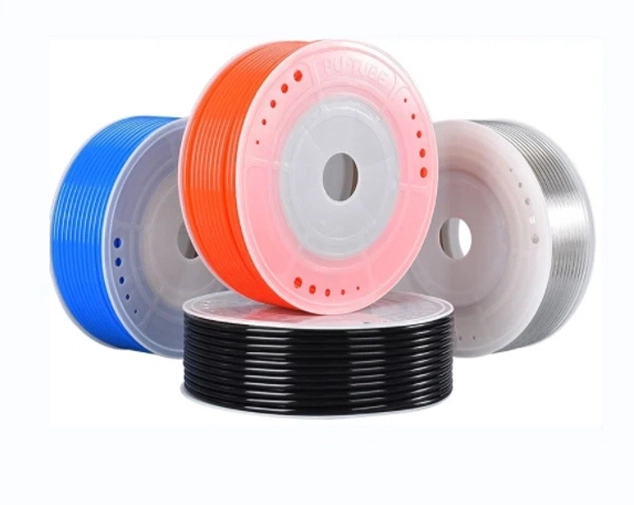 12 FebBy AdminHow Ester-Based PU Tubing Improves Automation Line ReliabilityImagine a busy factory floor. Robots move fast. Conveyors run without stopping. Packaging machines seal boxes quickly. Then everything halts. Why? One air line splits. That kind of stoppage hurts. It can cost thousands every hour. Ester-based PU tubing changes that picture. This sturdy, bendy material keeps pneumatic systems going strong. It cuts those costly breaks. It boosts how dependable the whole line stays. In industrial automation, seconds add up fast. Picking the right tubing matters a lot. Let's look at how ester-based PU tubing really helps. We'll cover what it is, its strengths, and where it works best. What Is…
 -
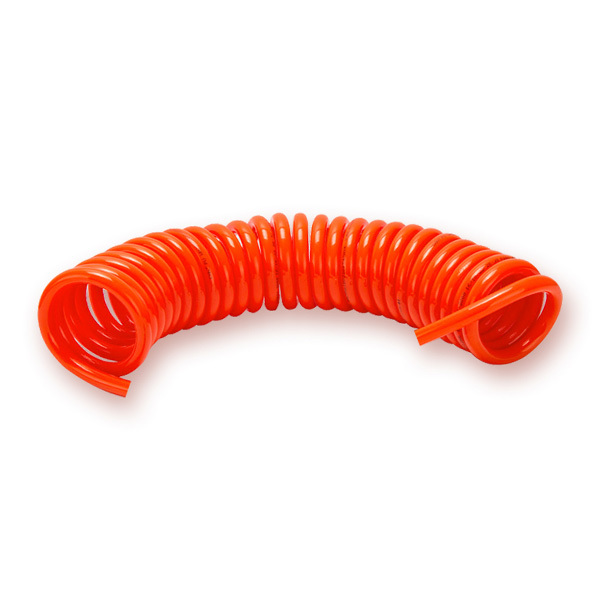 06 FebBy AdminOEM Sizing Guide How to Select the Perfect IDOD for Your Automated EquipmentHey there, fellow OEM designers and engineers. If you're knee-deep in automating production lines or tweaking robotic setups, you know that picking the right pneumatic tubing can make or break your system's performance. We're talking about Flexcoil PU Tubing here – that coiled stuff that keeps air flowing smoothly without getting in the way. This guide walks you through nailing the inner diameter (ID) and outer diameter (OD) for your gear. We'll stick to the OEM size range from 3mm to 25mm, pulling from real spec tables to help you match airflow needs and fittings. No fluff, just solid advice to…
 -
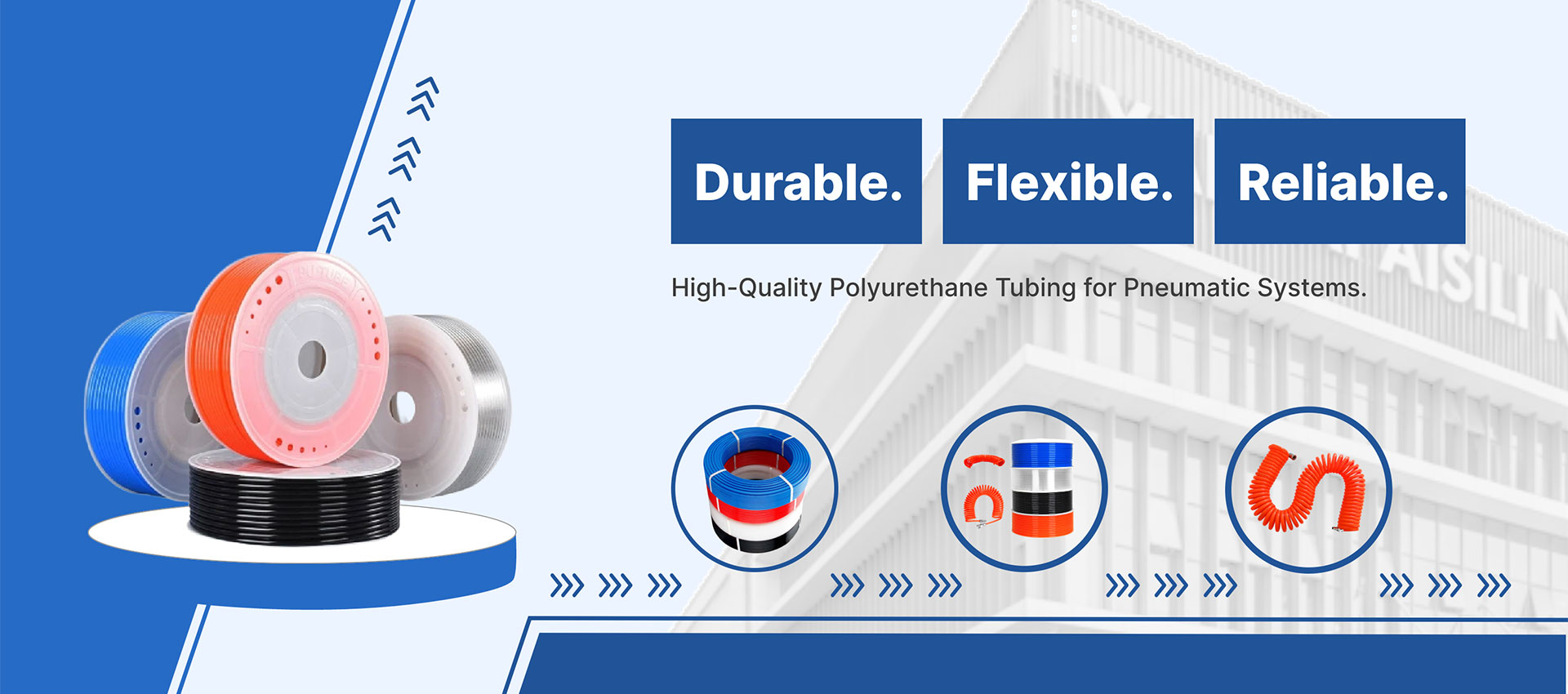 05 FebBy Admin5 Common Failures in Pneumatic Tubing and How Ester-Based PU Provides a SolutionPneumatic systems keep factories humming. Robots move. Air tools spin. Conveyors roll. But when the tubing fails, everything grinds to a halt. Downtime piles up. Repairs eat budgets. Frustrated techs scramble. Most failures aren't mysterious. They follow patterns. We've seen them repeat across shops, assembly lines, and automated setups. The good news? Picking the right material heads off a lot of these headaches. This piece looks at five frequent issues with pneumatic tubing. Then it shows how Ester-Based PU Tubing steps in as a solid fix. We pull straight from real-world experience and product specs. No hype. Just facts that help…
 -
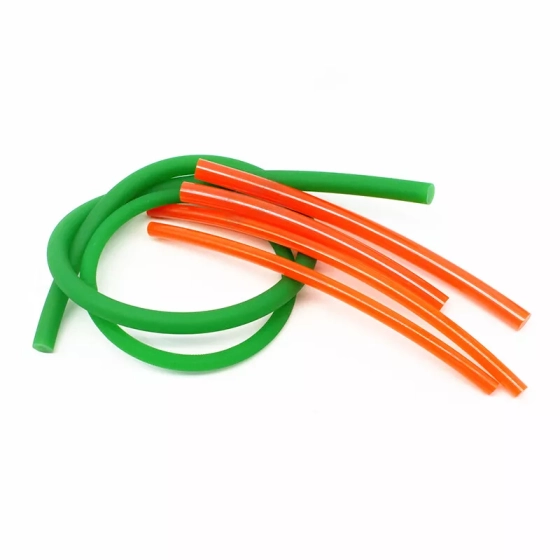 30 JanBy AdminSolve 5 Common Conveyor Belt Problems with High-Performance PU Cord BeltsConveyor systems keep factories humming. They move packages, parts, and products from one spot to the next without missing a beat. But when the belts start acting up, everything grinds to a halt. Slips, wear, breaks, noise, and short lifespans—these issues pop up all the time in busy lines. Downtime costs money. Repairs eat into profits. Workers get frustrated. I've seen plants lose hours fixing the same problems over and over. Good news is, there's a solid fix. High-performance polyurethane round belts (PU cord belts) handle these conveyor headaches better than traditional rubber belts. Let's break down the top five problems.…